
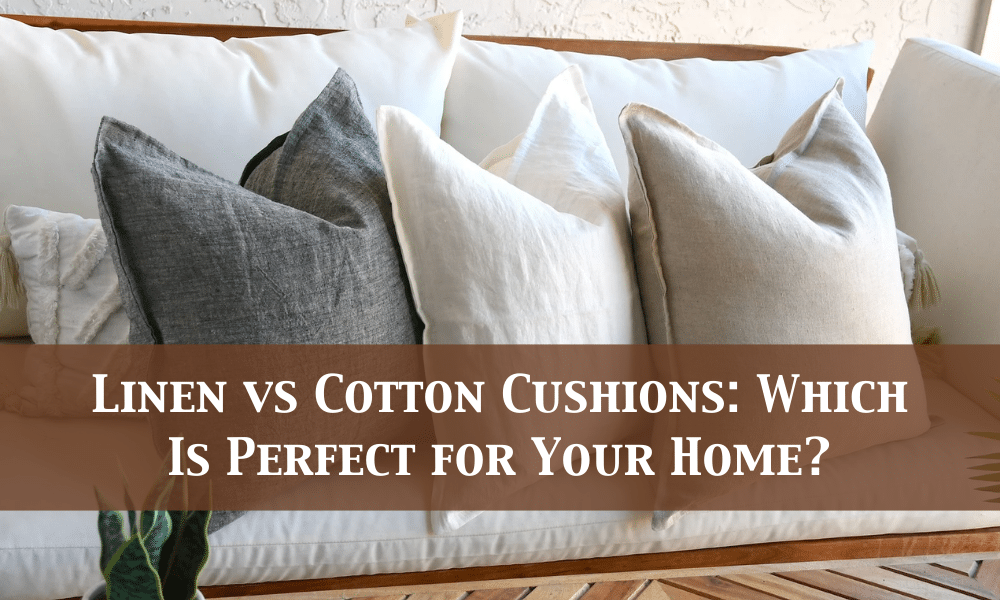
Picking cushion fabric might seem simple, but it genuinely affects how your room feels and functions. Have you ever wondered why some cushions stay fresh and comfortable for years while others lose their appeal quickly? The secret lies in the fabric choice. Linen and cotton are two natural materials that people adore for their cushions. Each one brings something special to your furniture. Linen offers that relaxed, textured appearance that gets better with time. Cotton gives you soft comfort straight away.
Your decision shapes not just how your cushions look, but how they perform in daily life. Some fabrics work better in warm weather, while others handle busy family life more easily. The right choice depends on your unique situation and what you value most. So, which fabric truly deserves a place on your sofa?
What Are Linen Cushions?
Linen comes from the flax plant, one of the oldest textiles in human history. This natural fabric has been used for over 30,000 years. The fibers are incredibly strong and create a distinctive textured appearance. Linen cushions have a slightly rough, crisp feel that softens beautifully with every wash. The fabric’s natural slubs and irregularities give it character and charm. Many homeowners love linen’s relaxed, lived-in look that adds elegance to any room.
What Are Cotton Cushions?
Cotton is harvested from cotton plants and is the world’s most widely used natural fiber. About 25 million tons of cotton are produced each year globally. Cotton cushions come in different varieties like Egyptian cotton, Pima cotton, and regular Upland cotton. The weave matters too – percale offers a crisp feel while sateen provides a smooth, lustrous finish. Cotton’s soft, familiar texture makes it a household favorite. The fabric works beautifully in any interior style, from modern to traditional settings.
Breathability and Temperature Regulation
Both fabrics breathe well, but they work differently in your home. Linen is 30% more breathable than cotton, making it exceptional for hot climates. The hollow fibers in linen allow air to flow freely, keeping you cool during the summer months. Cotton absorbs moisture well and releases it gradually throughout the day.
This makes cotton cushions comfortable year-round in most environments. In Pakistan’s warm climate, linen cushions excel at staying cool and dry. Cotton cushions provide consistent comfort across all seasons. If you live in a constantly warm area, linen wins this round. For varied temperatures throughout the year, cotton adapts better to changing conditions.
Texture and Comfort Comparison
Here’s where personal preference genuinely matters in your selection process. Cotton feels soft and smooth right from the start. It’s gentle against your skin and instantly comfortable for relaxation. Most people find cotton cushions cozy and inviting for daily use. Linen starts with a slightly rougher texture that surprises first-time buyers.
However, linen becomes softer with each wash cycle you complete. After 10-15 washes, linen transforms into an incredibly soft, supple fabric.
Durability and Longevity
Linen is remarkably strong compared to other natural fabrics. It’s actually 30% stronger than cotton when measured fiber-to-fiber. Studies show linen cushions can last 20-30 years with proper care routines. The fabric resists pilling and maintains its shape beautifully over time. Cotton is durable, too, but it wears faster than linen in most situations.
Quality cotton cushions typically last 5-10 years with regular use. Cotton may show signs of thinning or fading sooner than expected. However, cotton’s lower price point makes replacement more affordable when needed. If you want cushions that last for decades, choose linen without hesitation. For cushions you’ll update more frequently with trends, cotton works perfectly fine.
Maintenance and Care Requirements
Cotton wins the easy-care competition hands down every time. You can wash cotton cushions in your regular machine cycle without worry. They dry quickly and resist wrinkles when tumble-dried properly at home. Cotton handles frequent washing without losing quality or structural integrity. Linen needs gentler handling to maintain its beautiful appearance.
Use cool water and mild detergent for linen cushions always. Air drying works best to maintain the fabric’s integrity and strength. Linen wrinkles easily – that’s part of its authentic charm. Some people love the relaxed, wrinkled look it creates naturally. Others prefer ironing for a crisp appearance in formal spaces. Cotton requires less fussing and fits busy lifestyles better overall.
Hypoallergenic Properties and Health Benefits
Both fabrics naturally resist allergens, making them excellent for sensitive skin conditions.
Linen has natural antibacterial properties that prevent bacterial growth by 70% compared to synthetic fabrics. The fabric naturally repels dust mites and other common allergens found in homes.
Cotton is also hypoallergenic and gentle on skin for all ages. It doesn’t irritate or cause reactions in most people’s experience. Both fabrics allow your skin to breathe properly, reducing moisture buildup significantly. For families with allergies or asthma concerns, either choice provides genuine health benefits. Linen edges ahead slightly with its antimicrobial qualities that science confirms.
Sustainability and Eco-Friendliness
Let’s talk about environmental impact, which matters more than ever today in our world.
Growing and Production Process
Flax plants need minimal water to grow successfully – about 6.4 times less water than cotton requires. They don’t require pesticides or chemical fertilizers during the growing season. Cotton farming uses 24% of the world’s insecticides despite covering only 3% of farmland globally.
Organic cotton is better environmentally, but still needs significant water for cultivation. Linen production generates almost zero waste throughout the entire manufacturing process. Every part of the flax plant is used for various purposes. Cotton production creates more waste and uses more energy resources overall.
Long-Term Environmental Benefits
Linen’s durability means fewer replacements and less waste in landfills over time. Both fabrics are biodegradable and return to the earth naturally without harm. Linen decomposes in just two weeks when disposed of properly.
Cotton takes about five months to break down in natural conditions. If eco-friendliness is your priority when decorating, linen is the clear winner. It’s one of the most sustainable fabrics available today on the market.
Aesthetic Appeal and Styling
Your cushions should match your home’s personality and unique style preferences perfectly.
Visual Characteristics
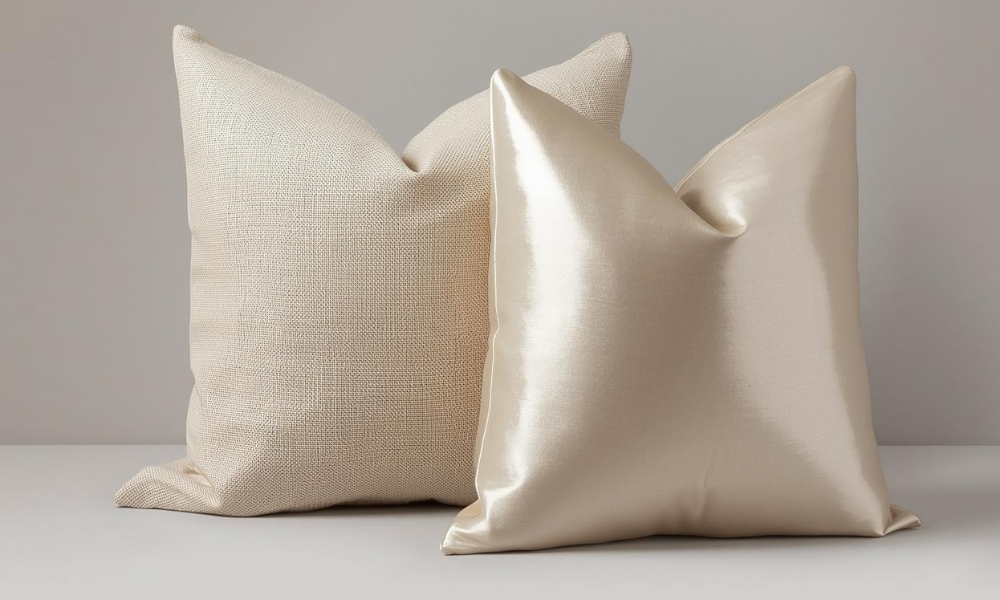
Linen has a beautiful, natural texture with visible weave patterns throughout. The slight irregularities create visual interest and depth in any space. Linen cushions bring an organic, sophisticated feel to rooms of all sizes.
Cotton offers a smoother, more uniform appearance that’s traditionally appealing. It provides a classic, clean look that never goes out of style completely. Cotton takes dye exceptionally well, offering vibrant color options for decoration.
Design Versatility
Both fabrics work across design styles beautifully in practice. Linen suits coastal, Scandinavian, and rustic aesthetics perfectly in any home. Its natural texture adds warmth to minimalist spaces that need character.
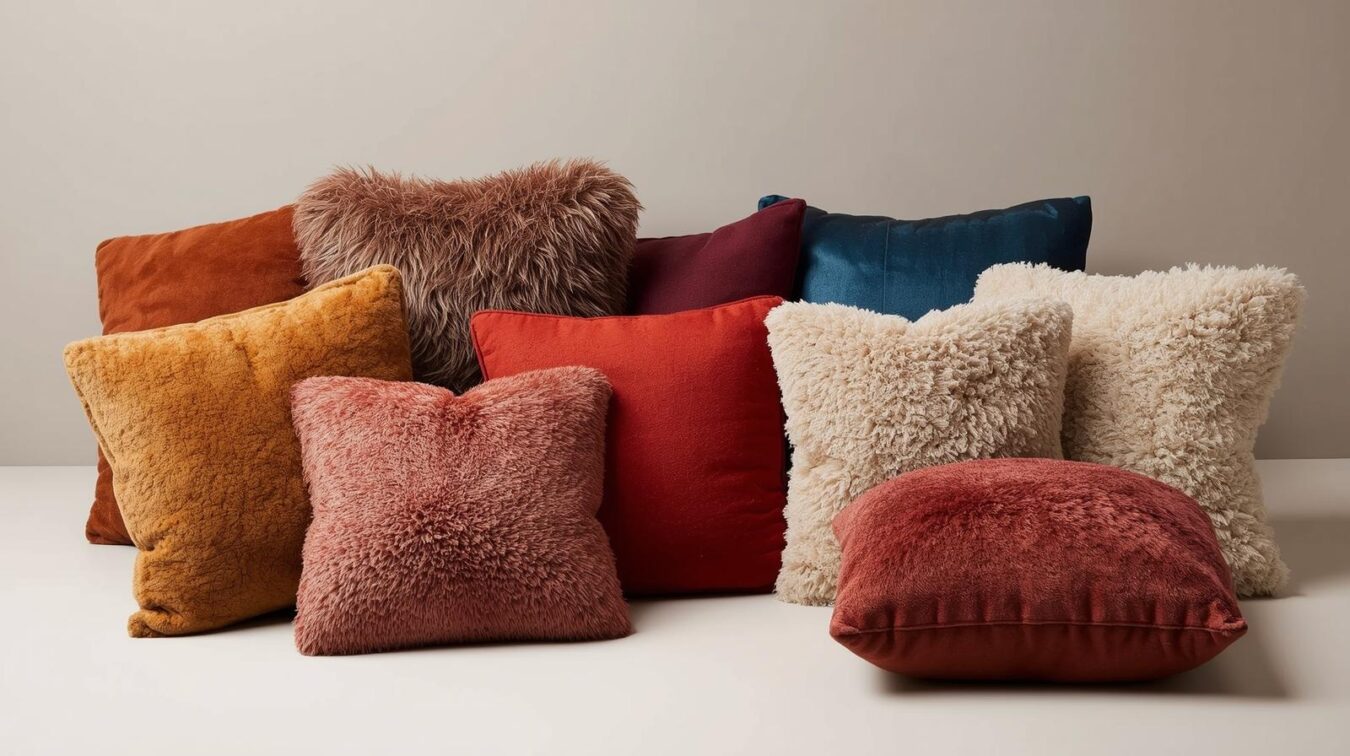
Cotton adapts to any style – traditional, contemporary, or eclectic designs work. The cushion collection at Rumi Interiors showcases both fabrics in various colors and patterns thoughtfully. You’ll find options for every room and style preference imaginable here.
Price Point and Value
Budget plays an important role in your final decision-making process. Cotton cushions typically cost 30-50% less than linen ones in stores. You can buy quality cotton cushions for reasonable prices almost anywhere. Linen costs more upfront due to complex processing requirements and labor.
However, linen’s longevity offers better long-term value for your investment. A linen cushion lasting 25 years costs less per year than replacing cotton cushions every 7 years repeatedly. Consider your budget and timeline carefully before making any purchase. For immediate affordability, choose cotton without any second thoughts. For lifetime investment value, choose linen for lasting quality.
Which One Is Right for Your Home?
Making the right choice depends on several personal factors in your life. Think about your lifestyle and daily needs carefully before deciding. Do you have children or pets running around constantly? Cotton handles spills and frequent washing better in active households. Its lower price makes replacement stress-free if accidents happen unexpectedly.
Living in a hot, humid climate all year round? Linen keeps you cooler and manages moisture better than alternatives. Want cushions that improve with age gracefully over time? Linen gets softer and more beautiful with regular use naturally. Prefer easy maintenance without complicated care instructions? Cotton requires less special care and attention overall. Value sustainability when making household purchases? Linen has a significantly smaller environmental footprint than cotton. Both fabrics offer genuine benefits worth considering seriously. Your perfect choice matches your specific needs and values exactly.
Conclusion
Both linen and cotton create beautiful, comfortable cushions for your home spaces. Cotton offers immediate softness, easy care, and affordability for budget-conscious shoppers. Linen provides exceptional durability, breathability, and eco-friendliness for conscious consumers. Neither choice is wrong – it’s about what matters most to you personally. Consider your climate, lifestyle, budget, and style preferences when shopping around. Think about long-term value versus upfront cost in your calculations. Both fabrics will serve you well in different ways for years.
Transform your living space today with premium cushions from Rumi Interiors – explore our stunning collection and find your perfect fabric match!

Leave a Comment
Your email address will not be published. Required fields are marked *