
Picking a new duvet sounds simple. It really doesn’t feel that way once you’re staring at tog ratings and fill types you’ve never heard of. But most of the time it comes down to two options. Duck feather or hollow fibre. Both keep you warm. Both have real drawbacks that nobody tells you upfront. So could the filling you’ve been sleeping under for years be the reason you keep waking up uncomfortable?
What Is Duck Feather Fill?
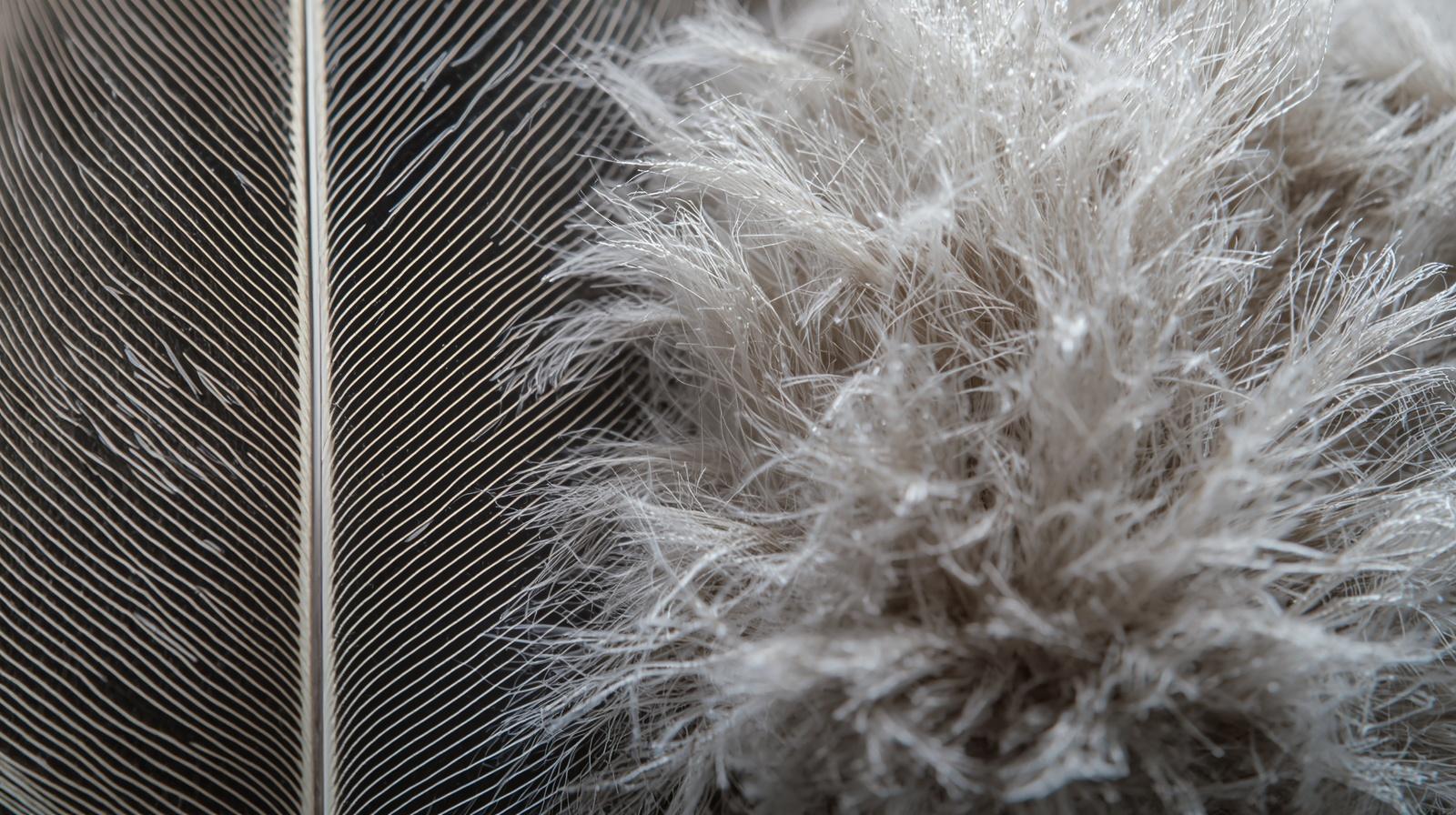
Duck feather duvets use the outer feathers of ducks, usually blended with a little down underneath. Most duck feather duvets run about 85% feather and 15% down.
That mix gives you a duvet with real weight and warmth. It moulds around you and breathes in a way synthetic fillings can’t copy. The downside is that quills can poke through cheaper casings over time. And you can’t just throw it in a standard home washing machine.
What Is Hollow Fibre Fill?
Hollow fibre is a man-made polyester. Each tiny strand has a hollow centre that traps warm air, mimicking the feel of natural down. It’s the most common duvet filling in the UK for a reason. It’s affordable, machine washable, and doesn’t trigger allergies.
Newer versions made from rPET hollow fibre use recycled plastic bottles and feel noticeably softer. But even the best hollow fibre won’t breathe or last as long as a natural filling.
Duck Feather vs Hollow Fibre: Key Differences at a Glance
| Feature | Duck Feather | Hollow Fibre |
| Warmth | Very good | Good |
| Weight | Heavier, cosy feel | Lightweight |
| Breathability | Excellent | Moderate |
| Hypoallergenic | No | Yes |
| Washability | Specialist care needed | Machine washable |
| Durability | 10 to 15 years | 3 to 7 years |
| Price | Mid-range | Budget-friendly |
Warmth and Tog Rating: Which Filling Performs Better?
Tog just tells you how warm a duvet is. A 4.5 tog suits summer, 10.5 covers most of the year, and 13.5 or above is proper winter territory.
Both fillings can hit the same tog numbers. But a duck feather gets there with less bulk. The down clusters naturally trap warm air, so the duvet feels lighter even at the same level of warmth. Hollow fibre requires more fill to produce the same volume, making it stiffer.
Breathability and Temperature Regulation
This is the key difference. Duck feather breathes. It helps your body regulate its temperature, and your skin can breathe. You’ll feel this if you’re a hot sleeper or sweat in your sleep.
Hollow fibre absorbs heat. This is a good thing if you’re a cold sleeper. But if you’re a hot sleeper, it can be too warm for you in the early hours of the morning.
Allergy Sufferers: Which Is the Safer Choice?
If you think you’re allergic to feathers, you probably aren’t. It’s likely the dust mites that are the culprit, found in all bedding materials. Here’s what each filling offers for allergy sufferers.
Hollow Fibre for Allergy Sufferers
Hollow fibre duvets are naturally allergy safe and can be washed at 60 degrees to kill dust mites. For those who know they have sensitivities, this is the easier option.
Duck Feather for Allergy Sufferers
If you want feathers, but are concerned about allergies, check for Nomite certification. This means the casing is woven so tightly that dust mites can’t enter. Look for an anti-allergen treatment too.
Care and Longevity: Which Lasts Longer?
With a duck feather, a good duvet will last for 10 to 15 years. With hollow fibre, you’ll be ready for a new one in 3 to 7 years as the fill compresses and loses its effectiveness.
The catch is maintenance. Feathers need a large-drum machine or professional laundering. Hollow fibre you can wash at home anytime. If convenience matters most, hollow fibre wins. For value over time, Feather is better.
Sustainability: What’s the Greener Option?
Feathers are natural and biodegradable, and, if you get them from a sustainable source, they are a byproduct of the food industry. The Responsible Down Standard (RDS) ensures animal welfare.
Hollow fibre is derived from plastics and sheds microplastics. The best synthetic is hollow fibre made from recycled bottles (rPET), but it won’t biodegrade.
Which Duvet Should You Choose?
- Choose a duck feather if you want natural insulation and breathability, and are prepared to pay more and give it more care.
- Select a hollow fibre for a hypoallergenic, low-maintenance and cheap duvet. Great for children and guests.
- Not sure? An 85/15 duck feather and down blend is a brilliant middle ground for most sleepers.
Pair your new duvet with something beautiful. Browse the Rumi Interiors Blankets and Throws, explore our Handmade Cushions, or visit the full Rumi Interiors shop to build a bedroom that truly feels like yours.
Frequently Asked Questions
Is a duck feather or a hollow fibre better for hot sleepers?
Duck feather. It breathes naturally, allowing heat to escape while you sleep. Hollow fibre traps warmth, which can get uncomfortable fast for warm sleepers.
How often should I replace a hollow fibre duvet?
Every 3 to 7 years. Once it goes flat and clumpy and stops keeping you warm, it’s time for a new one.
Can I wash a duck feather duvet at home?
Only in a large-drum machine of 8kg or above on a cool, gentle cycle. Professional laundering keeps the fill in much better shape long term.
Are duck feather duvets bad for allergy sufferers?
Usually not. The real issue is dust mites, not feathers. Look for Nomite-certified duvets or an anti-allergen casing if you’re concerned.
What tog rating should I choose for a duck feather duvet?
A 10.5 tog suits most of the year. Use 4.5 in summer and 13.5 or higher for cold winters. Feathers insulate so well that you won’t need to go as heavy as hollow fibre to feel the same warmth.
Is hollow fibre eco-friendly?
Standard hollow fibre isn’t great. It’s plastic-based and non-biodegradable. rPET hollow fibre made from recycled bottles is the greener synthetic option.
Leave a Comment
Your email address will not be published. Required fields are marked *