
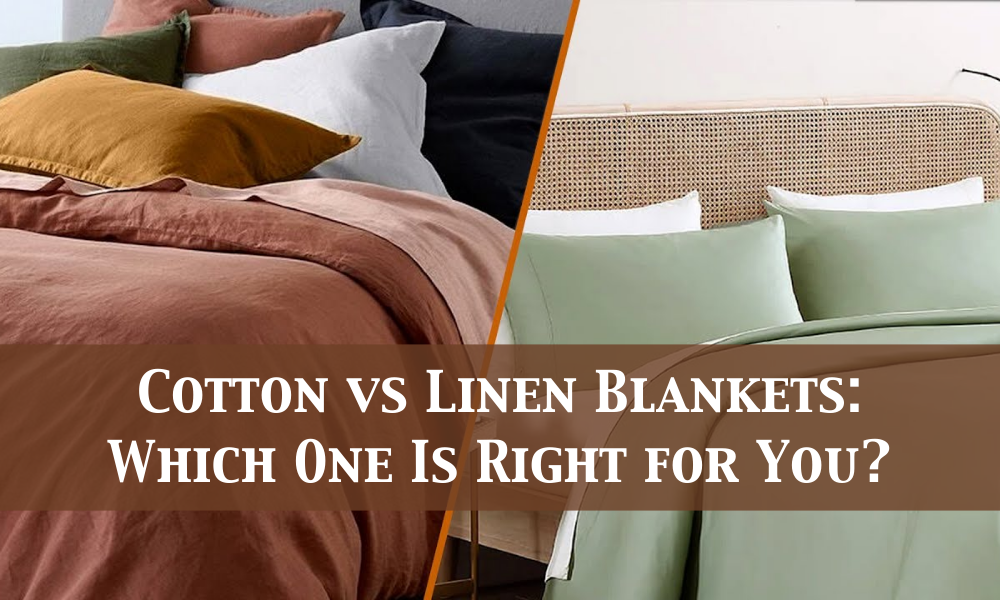
Choosing between cotton and linen blankets isn’t just about picking any fabric; it is about finding what works for your sleep style, your budget, and your home. Maybe you have stood in a shop, touching both materials, wondering which one would keep you comfortable through the night. Perhaps you’re tired of waking up too hot or too cold.
Or maybe you’re simply curious about whether spending more on linen is actually worth it. The truth is, these two natural fabrics behave quite differently on your bed. One feels soft immediately, but might trap heat. The other starts crisp but becomes incredibly comfortable over time, whilst keeping you cool. So here’s the real question: which blanket will actually help you sleep better and last longer in your home?
What Makes Cotton and Linen Different?
Understanding where these materials come from helps explain why they feel so different.
Cotton Blankets
Cotton grows as fluffy bolls on cotton plants. When harvested and woven, these fibres create soft fabric that feels gentle against your skin from the very first night. People have relied on cotton for over 7,000 years because it’s naturally comfortable and easy to work with.
Linen Blankets
Linen starts its life as tall flax plants swaying in European fields. The fibres come from inside the plant stems, making them longer and tougher than cotton. This explains why linen feels different; those strong fibres create a fabric with more texture and character.
How Do They Actually Feel?
The texture difference between these materials is something you’ll notice right away.
Cotton’s Immediate Softness
Cotton blankets feel smooth and silky the moment you unwrap them. That soft touch comes naturally to cotton fibres. When shopping for cotton, you’ll hear about thread count. Here’s what matters:
- Thread counts between 400-500 usually feel softest
- Higher counts aren’t always better
- Quality of cotton matters more than numbers alone
Linen’s Evolving Comfort
Linen takes a different path to softness. Brand new linen feels crisp and textured. Don’t worry, this changes beautifully. After several washes, something wonderful happens. The fibres relax and soften whilst maintaining that lovely natural texture. Those longer fibres create tiny air pockets throughout the weave, making the blanket feel lighter than you’d expect.
Temperature Control: Which Keeps You Cooler?
This might be the most important difference if you struggle with night sweats or hot bedrooms.
Why Linen Wins for Hot Sleepers
Linen’s structure makes it naturally cooling. The hollow spaces inside flax fibres allow constant airflow. Research shows linen can soak up roughly 20% of its weight in moisture before feeling wet to the touch.
Here’s something fascinating: When temperatures rise, linen fibres naturally loosen up to allow cooling air through. When temperatures drop, those same fibres tighten to hold warmth close. Studies comparing sleep temperatures found that people using linen blankets in warm conditions showed skin temperatures 3-4 degrees cooler than those using cotton or synthetic materials.
Cotton’s All-Season Comfort
Cotton performs well across different temperatures. It breathes nicely and pulls moisture away from your skin. However, cotton holds onto that moisture longer than linen does. If you sweat during sleep, cotton might feel slightly damp until the moisture eventually evaporates.
How Long Will They Last?
Your blanket is an investment. Let’s look at what you’re actually buying.
Linen’s Impressive Durability
Linen fibres are remarkably tough, two to three times stronger than cotton fibres, according to textile studies. With reasonable care, a quality linen blanket can serve your family for 20 or even more years. Some families treasure linen blankets passed down through generations.
The secret lies in how flax fibres are structured. The cellulose fibres grow longer and wrap more tightly. This natural strength is why American paper money contains roughly 25% linen content.
Cotton’s Typical Lifespan
Cotton blankets generally last between 5 and 10 years with regular use. Good quality cotton treated carefully can stretch beyond this range. However, cotton fibres naturally weaken over time, particularly with frequent washing and drying.
Rumi Interiors handcrafts blankets using natural materials selected for longevity. Browse our collection of premium blankets and throws to find pieces made to last.
Health Benefits: Which Is Better for Sensitive Skin?
Your blanket touches your skin for roughly eight hours every night. Material choice matters for your health.
Linen’s Natural Protection
Linen naturally resists bacteria and mould growth. The fibres contain lignin, a substance that prevents microbes from multiplying. This characteristic keeps linen blankets fresher between washes. Dust mites also tend to avoid linen, making it excellent for allergy sufferers.
Cotton’s Considerations
Cotton is hypoallergenic, which is wonderful for sensitive skin. However, cotton traps moisture more readily. When cotton stays damp, it can create conditions where bacteria might grow. Regular washing becomes more important with cotton blankets.
Style and Look
Your blanket affects your entire bedroom’s appearance.
Cotton’s Versatility
Cotton blankets come in nearly endless colours and patterns:
- Easily dyed in bright or soft colours
- Smooth, polished appearance
- Works with any decorating style
- Maintains a crisp look when ironed
Linen’s Relaxed Elegance
Linen brings a different aesthetic. Those characteristic wrinkles create lived-in, casual charm. Modern homes often feature linen for exactly this effortless look. Natural linen typically comes in earthy tones, creams, beiges, greys, and soft whites.
The Grey Checkerboard Wool Blanket and Beige Fine Checkerboard Wool Blanket from Rumi Interiors demonstrate how natural materials bring timeless style to any space.
Taking Care of Your Blanket
Maintenance requirements differ significantly between these materials.
Cotton Care
Cotton blankets are straightforward:
- Machine washable
- Tumble dry on low
- Can shrink up to 5% in hot water
- Use cool or warm water for best results
- Iron if you want that crisp look
Linen Maintenance
Linen needs gentler handling:
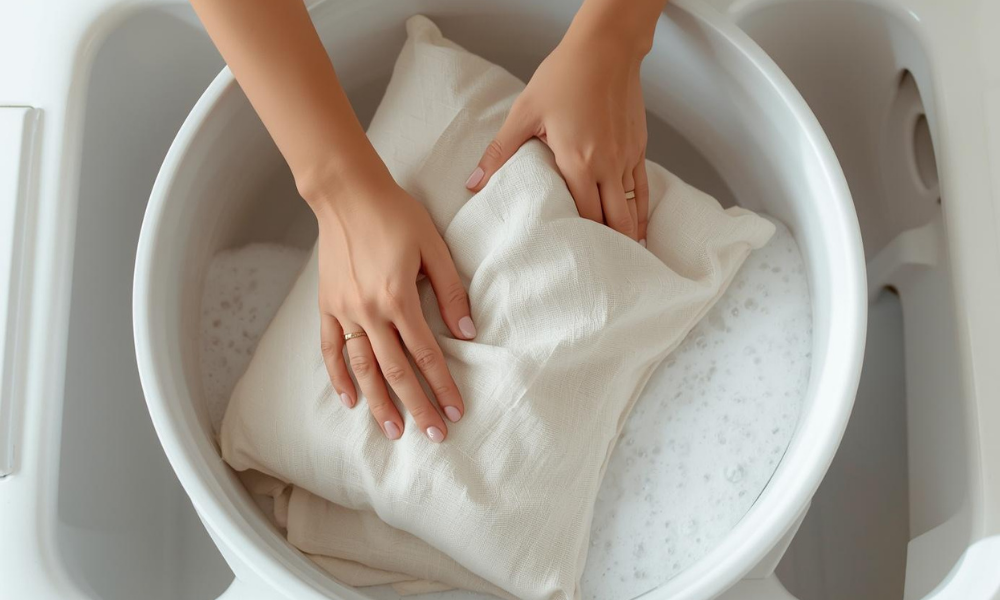
- Wash in cool water with mild detergent
- Air drying works best
- Minimal shrinking after first wash
- Ironing optional—wrinkles are part of the charm
- Gets softer with each wash
Price Comparison
Budget considerations matter when choosing blankets.
Initial Investment
- Cotton: Lower upfront cost, accessible pricing, and easier production keep prices down
- Linen: Higher initial price, labour-intensive processing, premium positioning
Long-Term Value
Consider the cost per year of use. A linen blanket lasting 20 years versus a cotton blanket lasting 7 years changes the calculation. Linen might actually cost less over time.
Which Should You Choose?
Let’s make this decision simple.
Choose Cotton If You:
- Want immediate softness from day one
- Work within a tighter budget
- Need lots of colour and pattern choices
- Prefer simple, easy maintenance
- Like versatile, all-season comfort
Choose Linen If You:
- Sleep hot or live in warm climates
- Want a long-term investment piece
- Have allergies or sensitive skin issues
- Love relaxed, natural aesthetics
- Value environmental sustainability
Final Thoughts
Both cotton and linen create wonderful blankets for different reasons. Your perfect choice depends entirely on what matters most in your daily life. Think about your sleep habits, your budget, your decorating style, and your values around sustainability.
At Rumi Interiors, we handcraft natural blankets and home textiles right here in Lancashire. Every piece uses high-quality, breathable fabrics designed to last for years in your home. We believe strongly in honest materials that you’ll genuinely love using.
Ready to find your perfect blanket? Explore our handcrafted collection at Rumi Interiors today and bring natural comfort into your home.



Leave a Comment
Your email address will not be published. Required fields are marked *