
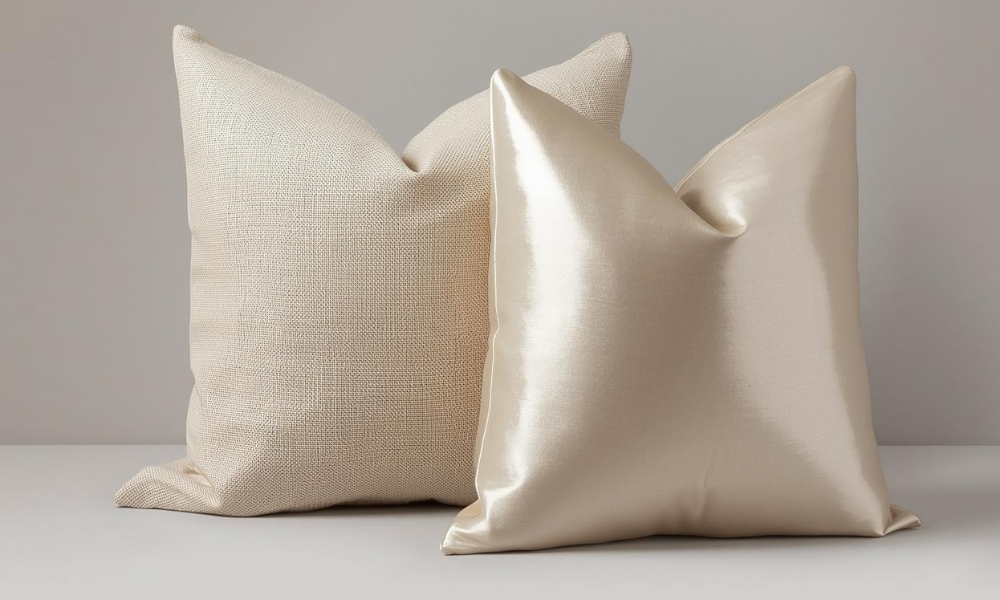
Most people choose a cushion based on how it looks. But the fabric matters just as much. It decides how soft it feels, how long it lasts, and how easy it is to clean. When you compare linen cushions vs polyester cushions, you quickly see they are very different. It is about comfort, durability, style, and how you live. Both fabrics have real strengths. One is natural and breathable. The other is man-made and low-cost. Linen comes from a plant called flax.
Polyester comes from oil. It is made in a factory using chemicals and machines. Both have good and bad points. The right one depends on your home and how you live. So which one should you actually buy?
What Makes Linen and Polyester So Different?
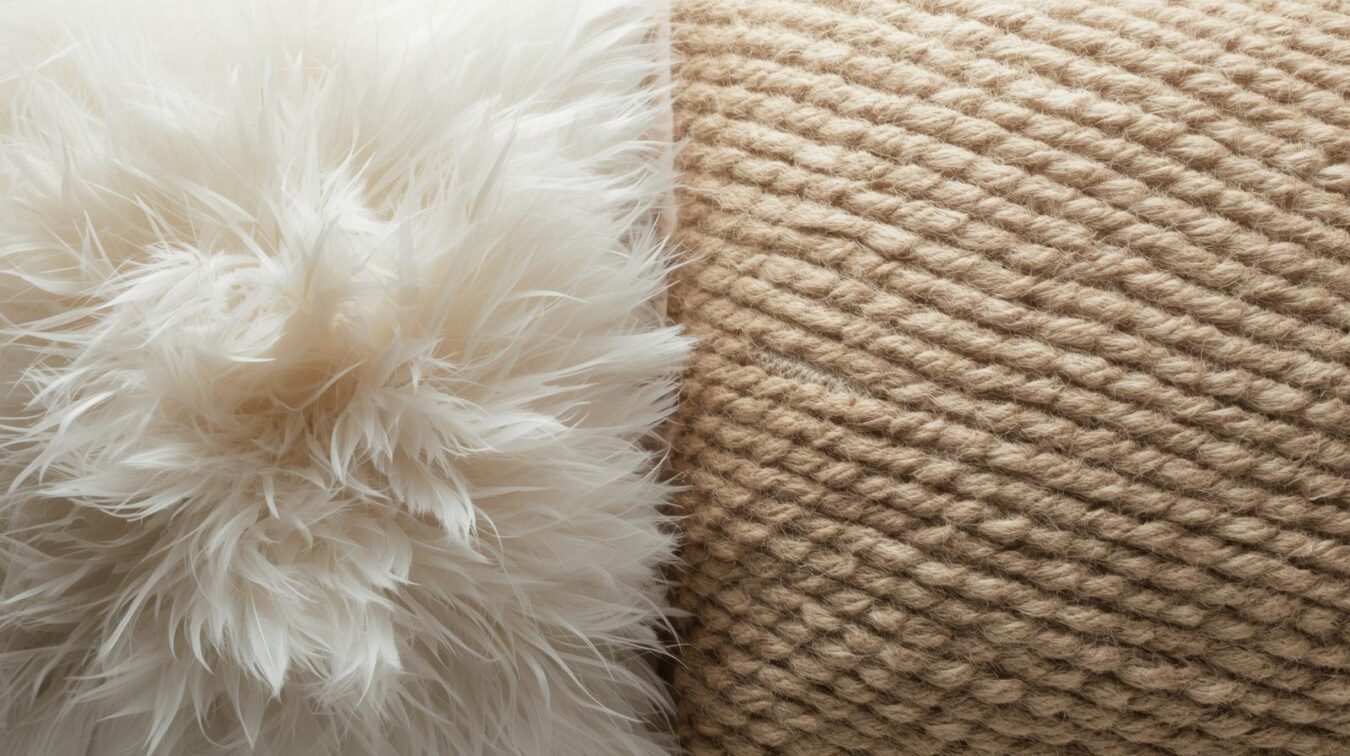
The biggest difference is where they come from. And that starting point changes everything about how they feel and perform. Here is a simple look at both before we get into the details.
Linen Comes From Nature
Linen is a natural fabric made from the flax plant. Flax grows once a year, mostly in Europe. It takes weeks to turn flax into linen. Workers wash it, dry it, and spin it into thread by hand. This slow process gives linen its slightly rough, textured feel. Every piece looks a little different. That is part of what makes natural linen cushions feel special.
Polyester Is Made in a Factory
Polyester is a synthetic material. It is produced from petroleum using chemicals and massive machinery. The entire procedure takes hours, not weeks. That is why polyester is affordable and readily available. It is simple, smooth, and uniform in delivery. Nothing wrong with that. But it lacks the coziness and personality of natural materials.
Durability and Longevity: Which One Lasts Longer?
Both fabrics last a long time. But they age in different ways.
Polyester cushions are extremely hard. They are not easily faded in the sun. They are not stretched or wrinkled. Polyester is hardy enough to endure the everyday beatings that you may have kids or pets. It will appear attractive over a long period of time with minimum of work.
Linen cushions are also strong, but they need more care. They can wrinkle. They can wear thin if washed too roughly. But here is the thing: good linen gets better with age. It softens over time. It builds a gentle, lived-in look that feels warm and real. Cheap polyester just gets tired-looking. Quality linen just gets lovelier.
Comfort and Feel: Which One Feels Better?
This is the place where linen cushions shine. Linen is moisture-wicking and breathable. The sensation is cool to the touch even during hot seasons. This is why it is perfect in the UK living rooms and bedrooms, where comfort in every season counts.
Polyester lacks the ability to breathe. After some time, it may be a bit synthetic or hot. Certain of the higher polyester mixes work better; pure polyester simply cannot feel like the natural cushion fabrics, such as linen. Linen is better in this case if the feel of your cushion is important.
Appearance and Style: Which One Looks Better in a Home?
This really depends on the style of your room.
Cushions made of linen are soft and coarse. They are well adapted to natural and serene interiors. Imagine wood, furnishing, and plain rooms. The slightly uneven weave gives linen a relaxed, honest quality that feels real. The Alina Cushion Natural is a great example. It has a clean, organic look that fits straight into a neutral home interior without trying too hard. The Amara Natural does the same. It brings texture and warmth to any sofa or chair.
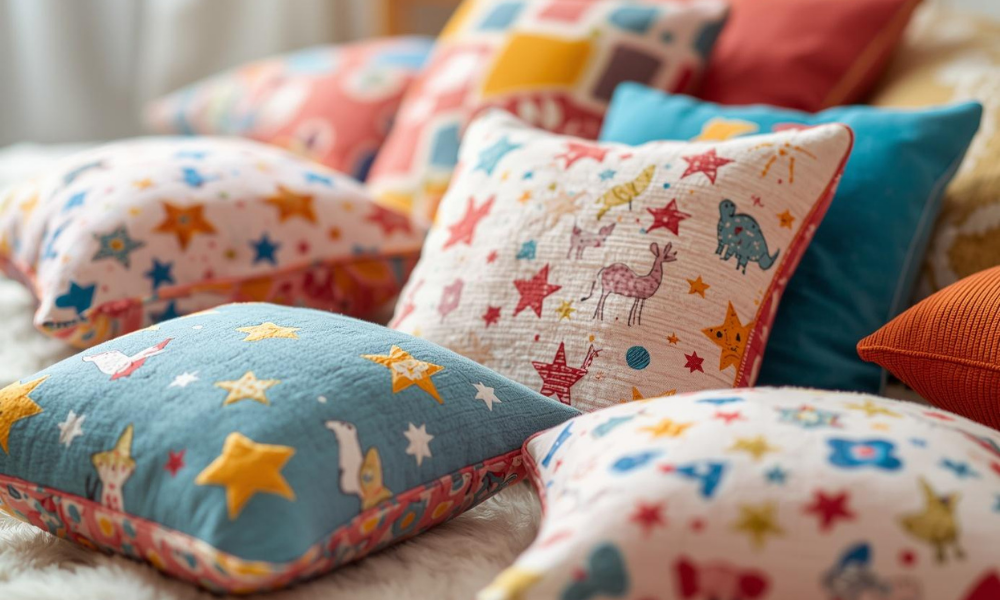
Polyester cushions can be made in almost any colour or pattern. They are bright and bold. They suit modern rooms where colour is the main feature. If you like changing your home decor with the seasons, polyester is a flexible and affordable option.
Care and Cleaning: Which One Is Easier?
Let us be honest. Most people want cushions that are easy to clean.
Polyester cushions win here. You can throw them in the washing machine. They dry fast. They do not need ironing. For a busy home, this is a real plus.
Linen cushions need a bit more thought. A gentle cycle with cold water works best. Some linen needs a light iron to look its best again. But it is not hard once you get used to it. The Beck Fennel cushion uses quality cotton on the front and natural linen on the back. Both are easy to care for at home with just a little attention.
Cost: Why Does Linen Cost More?
Linen costs more because it takes more work to make. Flax only grows once a year. Turning it into fabric is slow and done largely by hand. There is a limited amount of it, especially the good-quality kind from Europe. Polyester costs less because factories make it quickly, in large quantities, using machines. The supply never runs out.
But think of it this way. A cheap polyester cushion may need replacing in two or three years. A well-made linen cushion can last ten years or more and look better as it ages. That makes linen a better value in the long run. The Ready to Go Cushion Edit is a smart starting point. It is a curated set of handmade cushions, ready to ship, and designed to work together in a real home without the guesswork.
Environment: Which Fabric Is Better for the Planet?
This matters more and more to people buying homes.
Linen is one of the most eco-friendly fabrics in the world. Flax uses very little water to grow. It needs almost no pesticides. Linen breaks down naturally in the earth when its life is done. For anyone who cares about sustainable home textiles, linen is a clear and easy choice.
Polyester is not eco-friendly. It is made from oil. It does not break down in a landfill. Every time you wash it, it releases tiny plastic fibres into the water supply. Some brands now use recycled polyester, which helps a little. But it still sits well behind linen when it comes to being kind to the planet.
Which Rooms Work Best for Each Fabric?
Linen cushions feel at home in living rooms, bedrooms, and dining areas. They work especially well in rooms built around natural colours and quiet design. The Noa Dark Taupe brings rich texture and depth to a sofa without being loud. The Aveline Vintage Cushion Golden Beige adds a soft, timeless quality to any neutral room.
Polyester cushions do well in children’s rooms, playrooms, or anywhere that gets a lot of use. They handle spills and rough handling better. They are also a good pick if you want to add a pop of colour quickly and cheaply.
Final Thoughts
Both fabrics work. But they work for different people. Go with polyester if your home is busy, your budget is tight, and easy cleaning matters most to you. It’s tough and no-fuss. Go with linen if you want cushions that feel soft, look natural, and actually get better over the years. Yes, it costs a bit more. But it lasts longer, feels nicer, and it’s kinder to the planet too.
Most homes that want to feel calm and real choose linen. Browse the full range of handmade cushions and find yours today.

Leave a Comment
Your email address will not be published. Required fields are marked *