

What’s the difference between outdoor and indoor cushions? Outdoor vs indoor cushions differ primarily in materials: outdoor cushions use weather-resistant synthetic fabrics with quick-dry foam, while indoor cushions use natural fabrics like cotton and linen with softer fillings for comfort.
Many people buy indoor cushions for patios, only to watch them fade within weeks. Others use outdoor cushions inside and wonder why they feel stiff. Understanding these differences saves money and keeps your home beautiful.
This guide explains what makes outdoor vs indoor cushions unique and helps you choose the right type for every space.
What Makes Indoor Cushions Special
Understanding fabric choices and comfort features reveals why indoor cushions excel in protected home environments where style perfectly meets everyday function needs.
Indoor cushions focus on comfort and design. They’re made for living rooms, bedrooms, and protected spaces.
The Materials That Make Indoor Cushions Soft
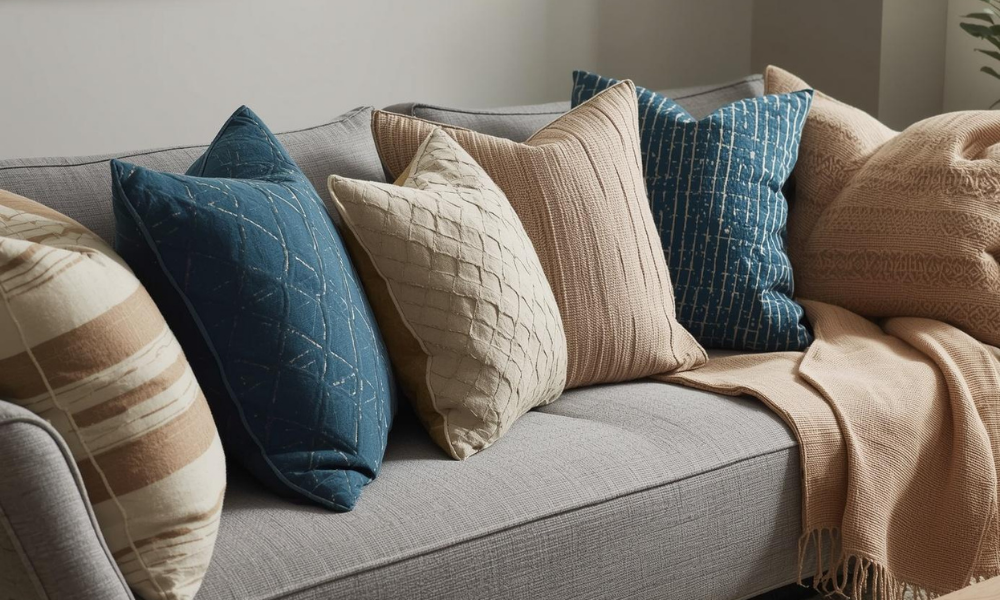
Indoor cushions are made from natural, soft fabrics. Cotton breathes well and comes in every colour imaginable. Linen creates an elegant, timeless feel. Velvet adds rich texture.
The filling makes them wonderfully comfortable. Down feathers give that perfect sink-in softness. Memory foam shapes to your body. These materials focus on comfort.
Handmade cushions from natural linen bring warmth to your space. Their breathable fabrics work perfectly for daily indoor use.
Why They Stay Indoors
Indoor cushions can’t handle outdoor weather. Rain soaks through the fabric and filling, causing mould. Sunlight fades colours remarkably fast.
Climate control keeps them looking great for years. Your heating and cooling protect them from moisture. In these protected spaces, quality cushions last many years.
What Makes Outdoor Cushions Different
Knowing which materials withstand weather helps you select cushions that maintain beauty and function through rain, sun, wind, and all changing seasons.
Outdoor cushions survive tough conditions. Rain, sun, and wind require special construction.
Weather-Resistant Fabrics
The biggest difference in outdoor vs indoor cushions is fabric type. Outdoor versions use solution-dyed acrylic. The color goes completely through the fiber, not just coating the surface.
Sunbrella fabric won’t fade even after years in direct sunlight. Water rolls right off instead of soaking in. The material naturally resists mildew. Tight weaves block water while allowing airflow. This keeps cushions dry and fresh.
Quick-Dry Foam Inside
Regular foam soaks up water like a sponge. Outdoor cushions use quick-dry foam with connected holes. Water flows through and drains out quickly.
When rain hits, water drains within hours. No mould, no smell, no damage. Some add mesh bottoms for faster drying.
Can You Swap Them?
Discovering what happens when cushions end up in the wrong locations helps prevent costly mistakes and keeps your furniture pieces looking their absolute best. Many wonder if they can switch types. It depends on which direction you’re swapping.
Indoor Cushions Outside Fail Fast
Don’t use indoor cushions outdoors. One rainstorm ruins them. Fabric absorbs water, and mould grows. Sun damage happens quickly. Indoor fabrics fade within weeks. Covered porches might work temporarily.
Outdoor Cushions Work Great Inside
This swap makes sense for many homes. Outdoor cushions handle indoor spaces well. Homes with kids or pets benefit greatly. Spills wipe away cleanly. Sunrooms need outdoor cushions. UV protection prevents fading. The trade-off is firmness. Quick-dry foam feels less soft.
Choosing the Right Type
Different rooms demand specific cushion features that match their unique conditions, from bright sunlight exposure to everyday family activities and regular home use. Match cushions to their location. This prevents mistakes.
For Outdoor Spaces: Patios need solution-dyed fabrics with UV ratings. Quick-dry foam is essential. Mid-tone colours work best. Blues and greys hide dirt better than white.
For Indoor Living Areas Living rooms deserve natural fabric comfort. Linen cushions bring softness and elegance. Cotton handles daily use beautifully. Mix different textures for visual appeal.
For Tricky Indoor Spots: Breakfast nooks near windows need special care. Morning sun fades regular cushions quickly. Mudrooms get dirty constantly. Outdoor cushions clean easily and handle traffic. Window seats face intense sun. Outdoor cushions last longer in sunny spots.
Caring for Your Cushions
Following proper cleaning and storage methods for each cushion type protects your investment and maintains their appearance for many years of beautiful use ahead.
Good maintenance makes cushions last longer. Care needs differ by type.
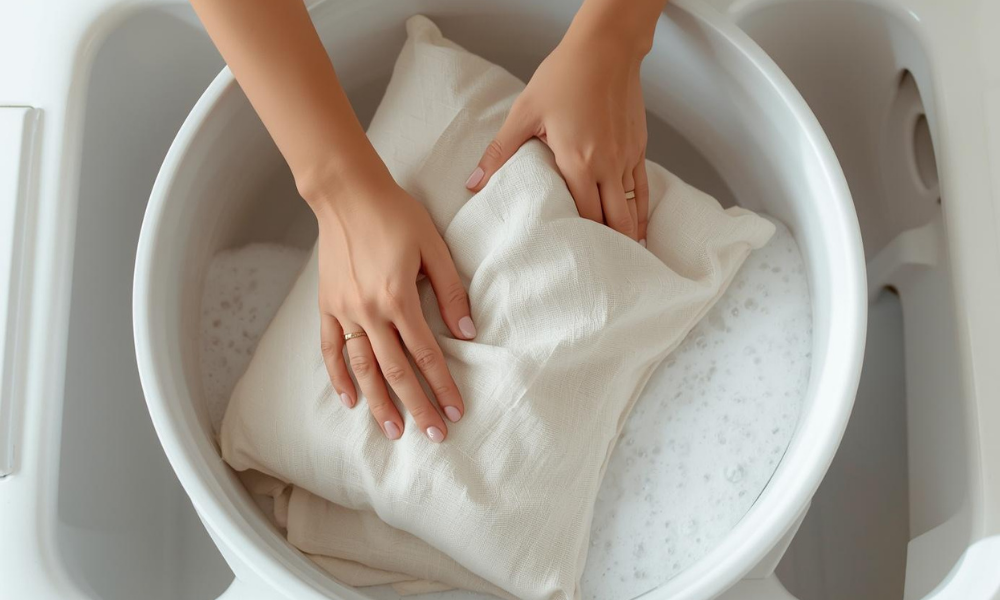
Indoor Cushion Care: Rotate cushions every few months. Flip them if both sides work. Clean spills right away. Blot with cloths. Cold water and soap handle stains.
Outdoor Cushion Maintenance: Brush off dirt weekly. Deep clean three times per season.Store cushions in winter. Products like Ready to Go Cushion Edit include care instructions.
Final Thoughts
Choosing the right cushions makes a big difference in your home. Indoor cushions are soft, cozy, and perfect for safe, covered spaces. They add warmth and beauty but cannot handle rain or strong sunlight. Outdoor cushions are strong and made for tough weather. They resist water, sun damage, and mould. When you match the cushion to the right space, you protect your money and keep your home looking fresh and stylish for many years.
Don’t wait to transform your home. Contact us now for expert guidance, premium quality cushions, and stylish designs made just for your space.
Frequently Asked Questions
Can I leave outdoor cushions outside all year?
You can leave them outside, but storing cushions during winter extends their lifespan significantly. Clean them thoroughly first and store in breathable bags in dry locations away from moisture.
Why do outdoor cushions cost more?
Outdoor cushions cost more because special weather-resistant fabrics and quick-dry foam require advanced manufacturing technology. However, they last much longer outdoors, making them worth the investment for patios.
How long do indoor cushions last?
Quality indoor cushions typically last three to seven years with proper care. Rotating them regularly every few months and cleaning spills immediately helps extend their longevity and maintain their appearance.
What’s the best cleaning method?
Mix mild soap with warm water, then scrub gently with a soft brush. Rinse completely with a garden hose. Let cushions air dry standing on edge for proper drainage.
Will outdoor cushions fade indoors?
No, outdoor cushions won’t fade when used inside your home. They’re specifically designed to resist intense UV rays from direct sunlight, so indoor lighting won’t damage them.



Leave a Comment
Your email address will not be published. Required fields are marked *