
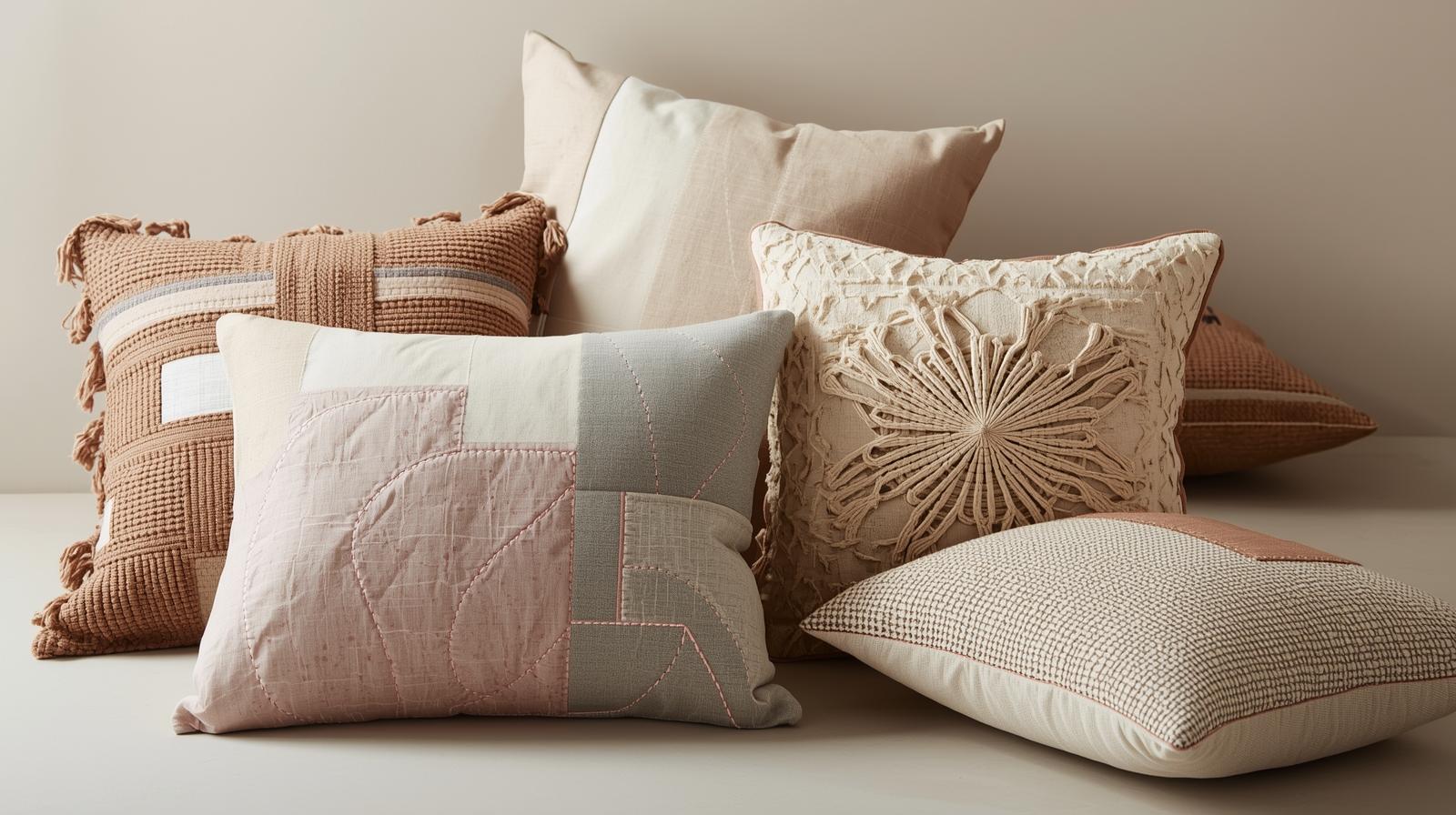
Cushions can change how your room looks and feels. The right shape makes your space cozy and beautiful. But with so many options, choosing can feel hard.
Square cushions create balance, rectangular ones add support, round cushions bring softness, and bolsters offer structure. Each shape serves a unique purpose in your home. This cushion shape guide will help you pick the perfect cushions for every room. You will learn about different shapes and how to use them. Let’s make your home more comfortable together.
Understanding Different Cushion Shapes
Each cushion shape has its own special job in your home, and knowing these differences helps you choose wisely.
Square Cushions
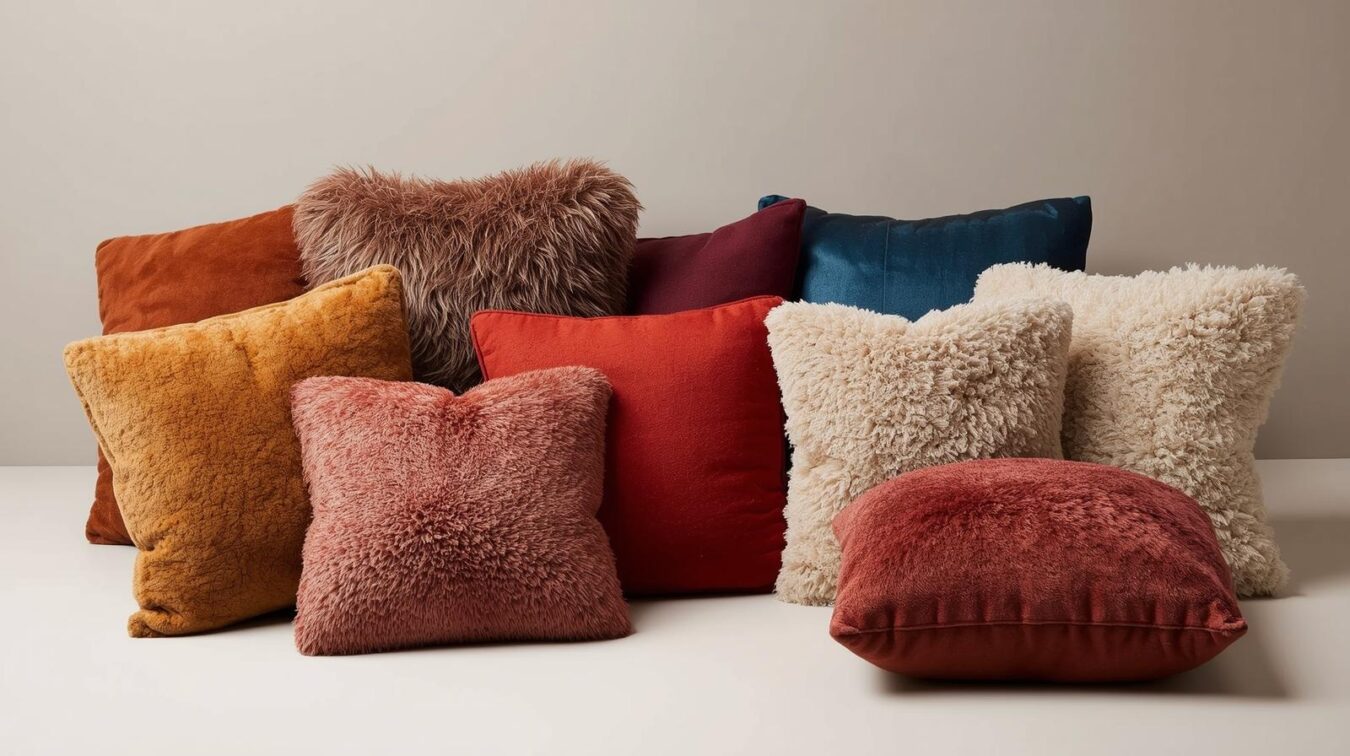
Square cushions are the most common shape you will find. They come in many sizes, like 45x45cm, 50x50cm, and 60x60cm. These cushions work well on sofas, beds, and chairs. Their balanced shape looks clean and tidy. You can use them alone or mix them with other shapes.
Large square cushions make great anchor pieces. Place them at the back of your sofa first. Then add smaller cushions in front. This creates a layered look that feels complete. The handmade cushions at Rumi Interiors come in beautiful square shapes.
Rectangular Cushions
Rectangular cushions are also called lumbar cushions. Common sizes are 30x50cm and 40x60cm. These long cushions give your lower back support. They add visual interest when mixed with square cushions. Place them in front of larger cushions for depth.
Rectangular shapes work well on beds, too. They fit nicely across the front of your pillows. This shape also looks good on window seats and benches. Try mixing them with squares for a styled look.
Round Cushions
Round cushions bring soft lines to your space. They break up the straight edges of square cushions. This shape adds a gentle, elegant touch. Round cushions work best as accent pieces. Use one or two to add something special.
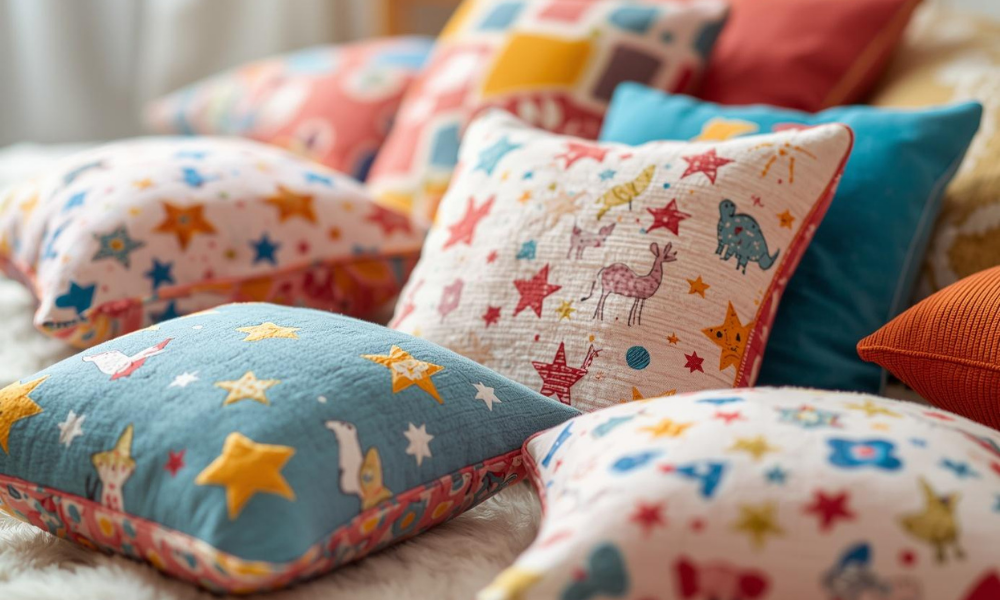
These cushions feel playful and different. They look great on armchairs and reading nooks. Round shapes also work well in kids’ rooms. The soft edges make spaces feel welcoming and fun.
Bolster Cushions
Bolster cushions are long and tube-shaped. They work perfectly on beds and daybeds. You can place them across your bed for a formal look. Or lay them along the side for support. Bolsters also look good on sofas with deep seats.
This shape adds structure to your styling. They help define spaces on larger furniture. Bolsters can be plain or fancy with tassels. Choose based on your room’s style and mood.
Choosing Shapes for Different Rooms
Different rooms need different cushion shapes, and this cushion shape guide shows you exactly what works where.
Living Room Cushions
Your living room needs cushions that look good and feel comfortable for everyday use and special occasions.
For Two-Seater Sofas: Use two or three cushions total. Start with one large square at each end. Add a rectangular cushion in the middle if you want. This keeps your sofa tidy but cozy. The Ready to Go Cushion Edit offers perfectly matched pieces.
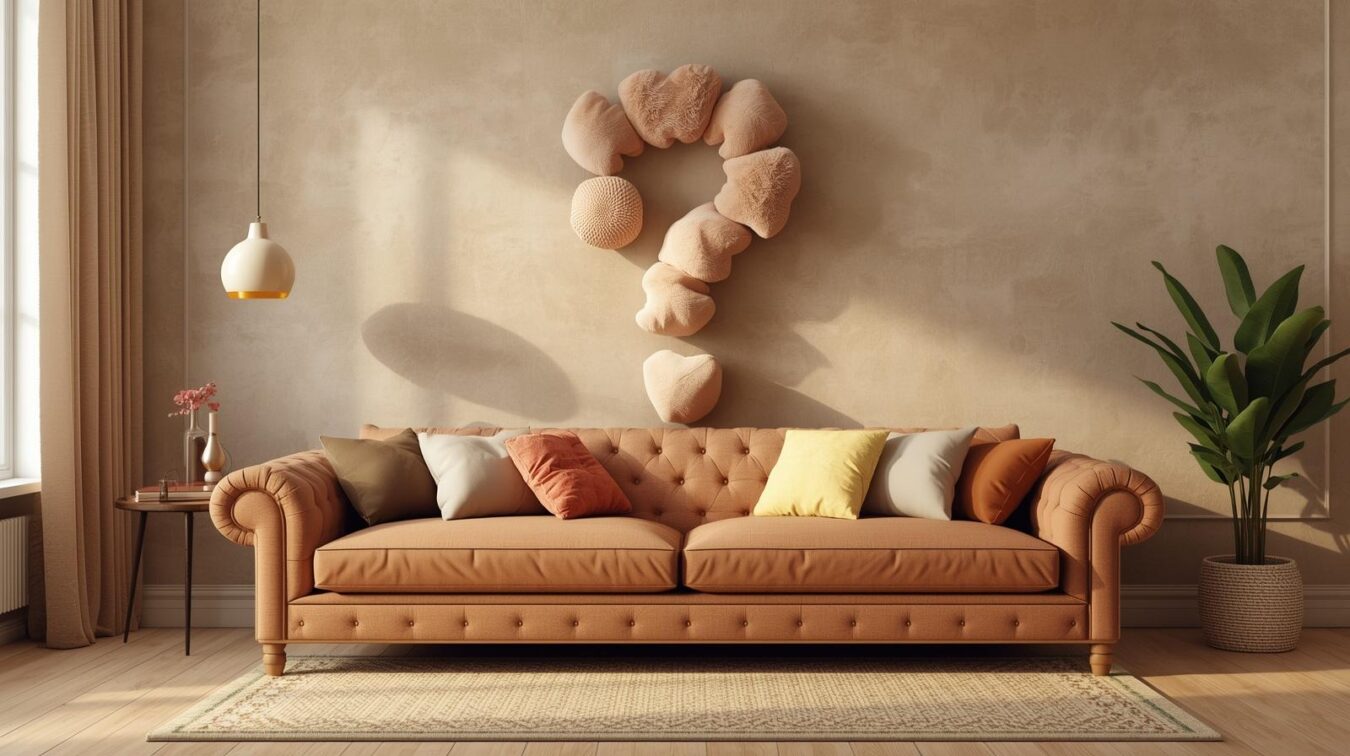
For Three-Seater Sofas Try four or five cushions here. Place large squares at the corners. Add medium squares in front of them. Finish with a rectangular cushion in the center. This creates the classic 2-1-2 look. It feels balanced and complete.
For Corner Sofas, Corner sofas need more cushions to look full. Use six to seven cushions total. Group them in sets of three at each section. This helps define different seating areas. Mix squares and rectangles for visual interest.
Bedroom Cushions
Your bedroom should feel calm and inviting, with cushions that add comfort without creating clutter.
For Double Beds Use three to four cushions maximum. Start with two large squares against the headboard. Add one or two smaller cushions in front. Keep it simple so that making your bed stays easy.
For King Beds Try five or six cushions for fuller styling. Layer from large to small as you move forward. Mix in a bolster or rectangular cushion at the front. This creates a luxurious hotel-like feel. The Senna cushion adds natural texture beautifully.
Chair and Armchair Cushions
Single chairs need just one or two cushions to stay comfortable and avoid overcrowding.
One medium square cushion works perfectly on most armchairs. Choose a 45x45cm or 50x50cm size. For extra comfort, add a small rectangular cushion. Place it lower for back support. This keeps your chair cozy without looking messy.
Mixing Cushion Shapes Like a Pro
Combining different shapes creates visual depth and interest in any room arrangement.
The Layering Method
Always start with your largest cushions at the back. These anchor your whole arrangement. Add medium cushions in the middle layer. Finish with your smallest or most special cushion at the front. This creates natural depth and flow.
Different shapes at each layer work best. Try large squares, then medium squares, then a rectangular cushion. This gives you three distinct visual layers. Each shape adds something new to see.
The Asymmetrical Approach
Not everything needs to match perfectly. Try using different shapes on each side of your sofa. One side could have a square and round cushion. The other side gets two squares. This looks modern and relaxed.
Asymmetry feels more natural and lived-in. It shows personality and creativity. Just make sure the overall look still feels balanced. Use similar colors to tie everything together.
Choosing Shapes Based on Fabric
The fabric you choose affects how each cushion shape looks and feels in your space.
Velvet and Rich Fabrics
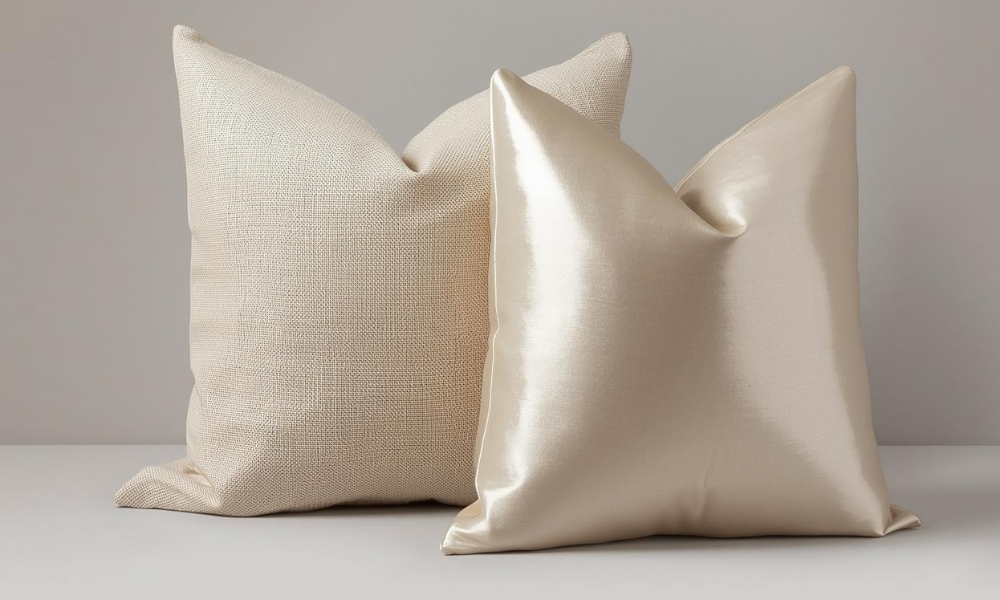
Velvet looks best on square and round cushions. The fabric shows off these simple shapes beautifully. Light catches the pile and creates depth. Choose solid colors to let the texture shine. The Nori – Matcha cushion shows how fabric enhances shape.
Linen and Natural Materials
Linen works with any cushion shape. Its natural texture adds warmth to squares and rectangles. Linen bolsters look especially elegant and timeless. This fabric breathes well and softens over time. It feels honest and comfortable in any home.
Cotton and Everyday Fabrics
Cotton cushions are practical and versatile. They work for all shapes and all rooms. Cotton holds its shape well in squares and rectangles. It also works great for round cushions. This fabric is easy to clean and care for.
Common Mistakes to Avoid
Learning what not to do helps you create better cushion arrangements every single time.
Using Only One Shape: All square cushions can look boring and flat. Mix shapes to create visual interest. Even adding one rectangular cushion makes a big difference. Variety keeps your eye moving around the arrangement.
Choosing Wrong Sizes: Too-small cushions get lost on large furniture. Too-big cushions overwhelm small chairs. Match the cushion size to your furniture scale. A 60cm cushion looks perfect on a large sofa. But it might swallow a small armchair.
Overcrowding Your Space: More cushions is not always better. Leave room for people to actually sit down. Your sofa should still be functional and comfortable. Three to five cushions usually work well. More than that often feels like too much.
Care Tips for Different Shapes
Different cushion shapes need slightly different care to keep them looking their best.
Maintaining Shape
Plump your cushions daily to keep them full. Square cushions need chopping along the seams. Round cushions benefit from gentle rolling. Bolsters should be rotated regularly. This prevents flat spots from forming.
Washing Different Shapes
Always check care labels before washing. Square cushions usually wash easiest. Round cushions may need special care. Some shapes dry better than others. Follow the maker’s instructions carefully. Natural fabrics like those from Rumi’s collection often improve with gentle care.
Final Thoughts
This cushion shape guide shows that choosing cushions is not complicated. Start with basic shapes you love. Mix sizes and textures slowly. Think about where you will use them. Consider your furniture size and room style.
Remember that cushions should make you happy. They add comfort and beauty together. Do not worry about perfect rules. Your home should reflect your personal taste. Start with one or two quality cushions. Build your collection over time thoughtfully.
Frequently Asked Questions
What cushion shape is best for beginners?
Square cushions are the easiest to start with. They work anywhere and mix well with other shapes. Choose a 45x45cm or 50x50cm size first.
How many cushion shapes should I mix?
Use two to three different shapes maximum. More than that can look messy. Try squares with one rectangular or round cushion.
Can I use all-around cushions?
Yes, but mix sizes for better results. All-around cushions can look too uniform. Add different sizes to create visual interest.
What shape works best for back support?
Rectangular lumbar cushions give the best back support. Choose a 40x60cm size. Place it behind your lower back.
Should bedroom cushions match the living room shapes?
They do not need to match exactly. Keep a similar style and color theme. Different rooms can use different shape combinations.

Leave a Comment
Your email address will not be published. Required fields are marked *