
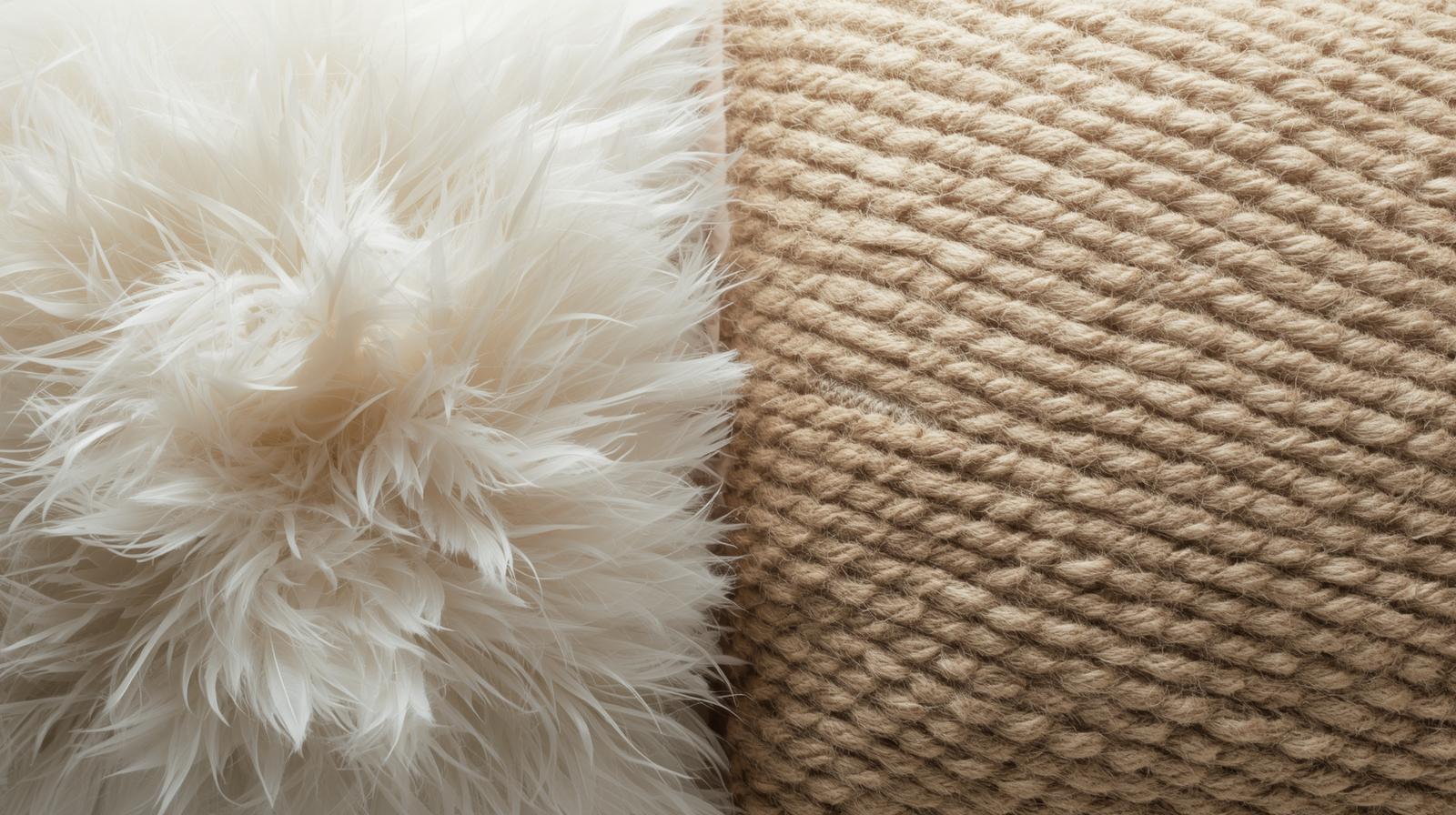
Picking the right cushion filling can change how your living room feels. When you sink into your sofa after a long day, the comfort depends on what’s inside those cushions. Feather vs fiber cushions is one of the most common debates among homeowners.
Both options have their own special qualities. Feather cushions bring luxury and softness. Fiber cushions offer practical comfort at a lower cost. The choice you make affects how your cushions look, feel, and last over time.
Many people focus only on cushion covers and colors. But the filling inside matters just as much. It decides if your cushions will stay plump or go flat. It determines if you need to fluff them daily or barely touch them.
This guide will help you understand both types. You’ll learn what makes each one special. By the end, you’ll know which filling works best for your home and lifestyle.
What Are Feather Cushions?
When it comes to understanding cushion fills, feathers offer a natural and traditional choice that many people love.
Feather cushions contain real duck or goose feathers. These natural materials create a soft, cloud-like feel. When you sit down, the cushion molds to your body shape. The texture feels plush and welcoming.
- Natural and Breathable: Feathers allow air to flow through. This keeps cushions cool in summer and warm in winter. Your body temperature stays comfortable all year round.
- Luxury Feel: Nothing beats the softness of real feathers. They create an elegant, premium look and feel. Your sofa instantly looks more expensive and inviting.
- Moldable Shape: Feathers adapt to your body perfectly. They create custom comfort each time you sit down.
However, feather cushions need daily fluffing to stay plump. Some people have allergies to feathers. They also cost more upfront than fiber options.
What Are Fiber Cushions?
Moving from natural feathers, fiber cushions offer a modern alternative made from synthetic materials that work differently.
Fiber cushions use polyester hollow strands. These man-made fibers trap air inside. The result is a soft, bouncy feeling similar to feathers but with key differences.
- Budget-Friendly: Fiber cushions cost much less than feather ones. You save money without giving up too much comfort. This makes them great for furnishing a whole room.
- Hypoallergenic: Synthetic fibers don’t trigger allergies. Everyone can enjoy them safely. No sneezing or irritation means more comfortable time on your sofa.
- Easy Care: Fiber needs less daily work. A quick plump once a week keeps them looking good. You can often wash fiber cushion covers more easily, too.
- Lightweight: Moving and rearranging your handmade cushions becomes effortless when they’re filled with fiber.
The downside is that fiber cushions flatten faster than feather ones. They typically last 2-4 years before losing significant plumpness.
Feather vs Fiber Cushions: Key Differences
Now that we’ve explored both types separately, let’s put them side by side to see how they measure up.
| Feature | Feather Cushions | Fiber Cushions |
| Comfort | Soft, sink-in feel | Bouncy, supportive |
| Lifespan | 5-8 years | 2-4 years |
| Maintenance | Daily fluffing needed | Weekly plumping |
| Allergies | May cause reactions | Hypoallergenic |
| Weight | Heavier | Lightweight |
| Look | Relaxed, casual | Structured, neat |
Cost Comparison: Breaking Down the Numbers
Your budget plays a big role, and understanding the price difference helps you make a financially sound decision.
Deciding between these fills often comes down to what you can spend upfront and how much value you expect.
Feather cushions typically cost £45-£75 per cushion for quality options. Premium feather fills can reach £80-£100 each. The Ready to Go Cushion Edit offers excellent value at £115 for a complete set.
Fiber cushions range from £25 to £45 per cushion. High-quality fiber options cost around £50. Budget-friendly choices like Senna at £38 deliver great comfort without breaking the bank.
With proper care, feather cushions offer better long-term value. However, fiber’s lower upfront cost helps tight budgets today.
Which Cushion Filling Suits Your Home?
After comparing features, it’s time to match the right filling to your specific lifestyle and home environment.
For Luxury Living Rooms
Creating an upscale feel requires careful attention to the materials and textures you choose for your furnishings.
Choose a feather if you want premium comfort. They suit formal living rooms perfectly. Feather cushions match traditional decor beautifully. They complement leather sofas and wooden furniture wonderfully.
For Family-Friendly Homes
Busy households need cushions that can handle daily wear while staying comfortable and looking presentable throughout the week.
Pick fiber for high-traffic areas. Kids and pets won’t damage them easily. The low maintenance means less stress. Options like Nori – Matcha at £50 combine durability with style.
Caring for Your Cushions
Proper maintenance extends cushion life significantly, so learning the right techniques for each type saves you money long-term.
Feather Cushion Care
Following these simple steps keeps your feather cushions looking and feeling their best for many years to come.
Fluff feather cushions every single day. Grab both ends and shake vigorously. This redistributes feathers evenly and prevents permanent lumps from forming. Rotate cushions weekly to different positions. Never machine-wash feather fills. Spot clean covers carefully instead. Air cushions outside on sunny days.
Fiber Cushion Care
Keeping fiber cushions fresh requires less effort but still benefits from regular attention and proper cleaning methods.
Plump fiber cushions once a week. Press down then release quickly. This restores the air inside hollow fibers instantly. Many fiber cushions allow gentle washing. Always check care labels first. Use cold water and mild soap. Vacuum fiber cushions monthly using low suction.
Making Your Final Decision
With all this information, you’re ready to choose the perfect cushion filling for your unique needs and preferences.
Choose feather cushions if you:
- Want luxury, premium comfort
- Don’t mind daily maintenance
- Have a higher budget
- Prefer natural materials
- Love soft, sink-in feeling
Choose fiber cushions if you:
- Need budget-friendly options
- Want low-maintenance solutions
- Have allergies to consider
- Prefer easier cleaning
- Run a busy household
Both options work wonderfully in different situations. Think about your daily life. Consider your comfort preferences honestly. The right choice makes your home more comfortable.
Frequently Asked Questions
How long do feather cushions last?
With proper daily fluffing and care, quality feather cushions last 5 to 8 years. They maintain comfort longer than fiber when maintained correctly.
Are fiber cushions good for sofas?
Yes, fiber cushions work great for sofas. They’re especially good for family sofas that get heavy daily use. The low maintenance makes them practical.
Can you wash feather cushions?
Never wash feather cushions in water. The feathers clump and lose their fluffiness permanently. Spot clean covers and air them outside instead for freshness.
Which is better for allergies?
Fiber cushions are much better for people with allergies. They’re made from synthetic materials that don’t trigger reactions. Feathers can cause issues for sensitive individuals.
What’s the average cost difference?
Feather cushions cost £45-£75 each, while fiber cushions range from £25-£45. Feather costs 50-100% more upfront but last twice as long with care.

Leave a Comment
Your email address will not be published. Required fields are marked *